The intersection of smart home technology and sustainable design represents one of the most exciting shifts in modern housing. As homeowners become more conscious of energy use, environmental impact, and long-term operating costs, they are increasingly drawn to homes that blend intelligent systems with eco-friendly construction and materials. This powerful combination enhances comfort and convenience while significantly reducing a home’s environmental footprint. Rather than treating sustainability and technology as separate features, today’s most forward-thinking homes integrate both from the ground up, creating living spaces that are efficient, adaptable, and future-ready.
Energy Efficiency Through Smart Technology
One of the strongest benefits of smart homes is their ability to optimize energy usage in real time. Smart thermostats learn daily habits and adjust temperatures automatically, preventing unnecessary heating or cooling when the home is unoccupied. Lighting systems equipped with sensors and timers eliminate wasted electricity, while smart appliances regulate their energy draw based on demand. When paired with sustainable design elements such as solar panels, high-performance insulation, and energy-efficient windows, these technologies dramatically reduce utility consumption. The result is a home that not only lowers monthly costs but also contributes to broader environmental conservation efforts.
Water Conservation and Intelligent Resource Management
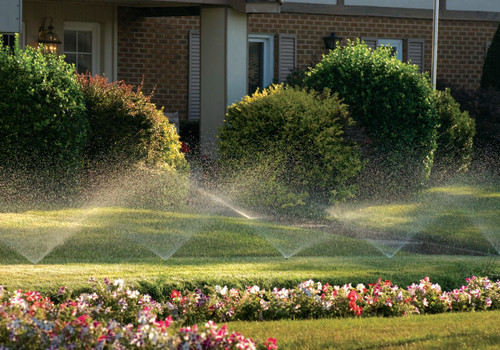
Sustainability extends beyond electricity to include water usage—an increasingly critical resource. Smart irrigation systems monitor soil moisture and weather forecasts to water landscapes only when necessary, preventing overuse. Inside the home, smart leak detectors identify small issues before they become costly damage, while efficient plumbing fixtures reduce everyday water consumption without sacrificing performance. Combined with sustainable building strategies such as rainwater harvesting and drought-resistant landscaping, smart water management systems help homeowners take meaningful steps toward long-term environmental responsibility.
Healthier Living Through Smart-Sustainable Design
Smart homes that prioritize sustainability also tend to promote healthier indoor environments. Advanced air-quality monitoring systems track humidity levels, pollutants, and allergens, automatically adjusting ventilation when needed. Sustainable materials—such as low-VOC paints, recycled flooring, and non-toxic insulation—work alongside these technologies to improve indoor air quality and reduce exposure to harmful chemicals. These elements create a living space that supports physical well-being while maintaining high performance and efficiency.
Long-Term Value and Market Appeal
From an investment standpoint, the convergence of smart technology and sustainable design significantly upgrades a home’s market appeal. Buyers increasingly seek properties that offer reduced operating costs, advanced automation, and environmentally responsible features. Homes equipped with solar integration, smart energy controls, and green certifications often sell faster and command higher prices. According to many professionals, demand for these features continues to grow as energy costs rise and climate awareness strengthens. A local Urangan real estate expert often notes that properties showcasing both smart automation and sustainable construction stand out immediately in competitive markets and attract buyers who value innovation and responsibility.
Future-Proof Living for a Changing World
As cities expand and resources become more strained, homes must adapt to new standards of efficiency and resilience. Smart-sustainable homes are built to evolve with technological advancements, making upgrades easier and more cost-effective over time. System integrations allow homeowners to monitor performance from mobile devices, track energy savings, and fine-tune usage patterns with precision. This flexibility ensures that homes remain efficient and relevant long after their initial construction, protecting both environmental and financial investments.
A Balanced Approach to Modern Living
Ultimately, the synergy between smart home systems and sustainable design offers more than just convenience—it delivers a balanced, forward-thinking approach to modern living. By reducing waste, conserving resources, and enhancing comfort through automation, homeowners gain greater control over their environment while contributing to a more sustainable future. As this powerful combination continues to shape residential design, it is quickly becoming the gold standard for what a truly modern home should be.