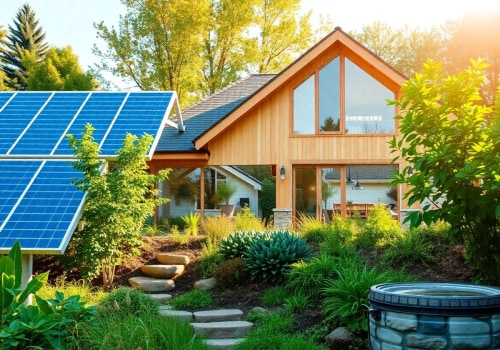
Sustainable housing has become an increasingly popular choice for homeowners who want to reduce their environmental footprint while enjoying long-term financial benefits. Green homes are designed to use energy more efficiently, conserve water, and rely on environmentally responsible materials. Features such as solar panels, high-efficiency insulation, energy-saving appliances, and smart thermostats all contribute to lower energy consumption and reduced utility bills. In addition to environmental benefits, sustainable homes often provide improved indoor air quality and healthier living environments. For many buyers, relocating to a greener home represents not just a lifestyle change but a long-term investment in sustainability and responsible living. As awareness of climate change and environmental conservation continues to grow, more communities are prioritizing eco-friendly construction and sustainable housing developments.
Evaluating Green Features Before Relocating
Before relocating to a sustainable home, it is important to evaluate which green features provide the most practical value. Not all eco-friendly upgrades offer the same long-term benefits, so buyers should focus on elements that improve efficiency and durability. Energy-efficient windows, well-sealed insulation, and modern heating and cooling systems can significantly reduce energy usage. Homes that include renewable energy systems, such as solar panels, may also offer long-term savings through reduced electricity costs. Additionally, water-saving fixtures like low-flow toilets, rainwater harvesting systems, and efficient irrigation methods contribute to overall sustainability. When viewing potential homes, buyers should also consider the orientation of the property, natural lighting, and landscaping features that support energy conservation. These factors can influence both environmental impact and day-to-day living comfort.
Preparing for an Eco-Friendly Move
Relocating to a greener home also involves adopting environmentally responsible moving practices. One practical step is to declutter before packing, donating or recycling items that are no longer needed instead of transporting unnecessary belongings. Reducing the number of items moved helps minimize fuel usage and transportation emissions. Using reusable plastic bins, recycled cardboard boxes, or biodegradable packing materials can also make the moving process more sustainable. Planning the move efficiently—such as organizing items by room and scheduling transportation carefully—reduces waste and improves overall efficiency. Some homeowners even take the opportunity to replace old appliances and furniture with energy-efficient alternatives before settling into their new home, allowing them to fully embrace a more sustainable lifestyle from the start.
Choosing Environmentally Conscious Moving Support
Another important step in relocating to a greener home is selecting services that align with environmentally responsible practices. Some moving providers now use fuel-efficient vehicles, optimized travel routes, and recyclable packing materials to reduce their environmental impact. When researching moving assistance, homeowners may come across companies like Mountain Movers, which highlight the importance of organized relocation services that help streamline the transition into a new property. While the primary focus of the move may be reaching a more sustainable home, choosing organized and efficient relocation support can help reduce stress and ensure belongings arrive safely. Planning transportation routes and packing strategies carefully can further limit unnecessary trips and fuel consumption.
Building a Greener Lifestyle After the Move
Once the move is complete, the transition to sustainable living truly begins. Homeowners can continue improving their environmental impact by adopting everyday eco-friendly habits. Installing LED lighting, using programmable thermostats, and practicing mindful energy consumption are simple but effective steps. Gardening with native plants, composting organic waste, and reducing single-use plastics can also support a greener household. Sustainable housing is not only about the design of the building itself but also about the lifestyle choices made within it. By combining efficient relocation planning with environmentally conscious living practices, homeowners can fully benefit from the advantages of greener homes while contributing to a more sustainable future for their communities.